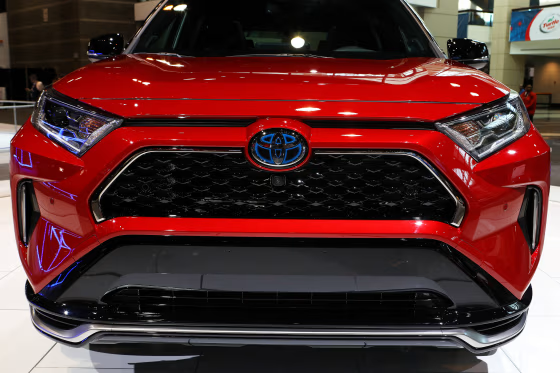
Toyota Motor said on Wednesday it will recall 1.12 million vehicles worldwide because a short-circuit in a sensor could cause air bags not to deploy as designed.
The recall covers 2020 through 2022 model year vehicles including various Avalon, Camry, Corolla, RAV4, Lexus ES250, ES300H, ES350, RX350 Highlander and Sienna Hybrid vehicles and could result in the Occupant Classification System (OCS) sensors not working. It includes 1 million vehicles in the United States.
The sensors ensure air bags do not deploy if a small adult or child is sitting in the front seat. Dealers will inspect and, if necessary, replace the sensors. The automaker plans to begin notifying owners in February about the recall.







 FOR SUBSCRIBERSA harrowing ordeal aboard an Israel-bound plane







FOR SUBSCRIBERSThe debate over AI’s future rages on both coasts

Toyota in July 2022 issued a recall for 3,500 RAV4 vehicles in the U.S. that because of potential interference between internal parts that could cause the OCS sensor to incorrectly detect the occupant.
Frontal air bags have saved more than 50,000 lives in the United States over 30 years, the National Highway Traffic Safety Administration says.
FOR SUBSCRIBERSA harrowing ordeal aboard an Israel-bound plane
FOR SUBSCRIBERSThe debate over AI’s future rages on both coasts
The new sensors were prompted because older air bags deployed the same way for all driver and passengers, causing some injuries and in rare cases even death to children, small adults, and unbelted passengers who were too close to the air bag as it deployed, the agency says.
Reuters reporting by David Shepardson; editing by Lisa Shumaker and Nick Zieminski
