The efficiency of workers rose at a modest pace in the final three months of last year, far below the gain originally estimated, while worker wages and benefits soared.
The Labor Department reported Tuesday that productivity, the amount of output per hour of work, rose at an annual rate of 1.6 percent in the October-December period last year, about half of the 3 percent increase the government initially estimated a month ago.
The report showed that labor costs for each unit of output soared by 6.6 percent, far higher than the 1.7 percent increase initially reported. The combination of lower productivity and higher wages, if sustained, would raise alarm bells at the Federal Reserve about inflation.
The 6.6 percent surge in labor costs was far higher than the 3.2 percent rise that Wall Street had been expecting while the 1.6 productivity increase was in line with expectations.
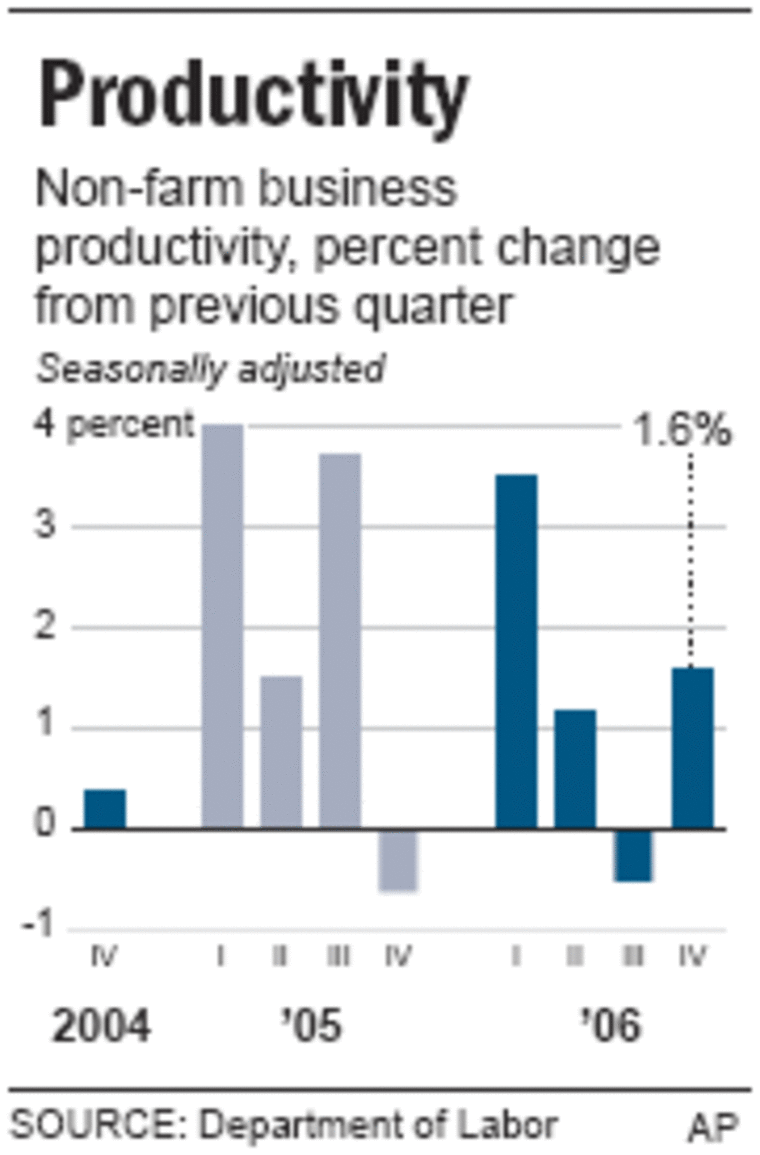
The big revision in productivity reflected the big downward revision announced last week in total economic growth, as measured by the gross domestic product. The GDP expanded at a sluggish 2.2 percent annual rate from October through December, not the 3.5 percent growth rate originally reported.
With less output and the number of hours worked remaining the same, productivity for the quarter looked worse. The drop in output also meant that unit labor costs were higher.

 FOR SUBSCRIBERSCBP leaders cut out of Trump ad buy decision









FOR SUBSCRIBERSA harrowing ordeal aboard an Israel-bound plane





FOR SUBSCRIBERSCBP leaders cut out of Trump ad buy decision
FOR SUBSCRIBERSA harrowing ordeal aboard an Israel-bound plane
It was the biggest quarterly increase in labor costs since a 9.1 percent surge in the first three months of 2006. Both gains were attributed in large part to big bonuses paid to high-income workers.