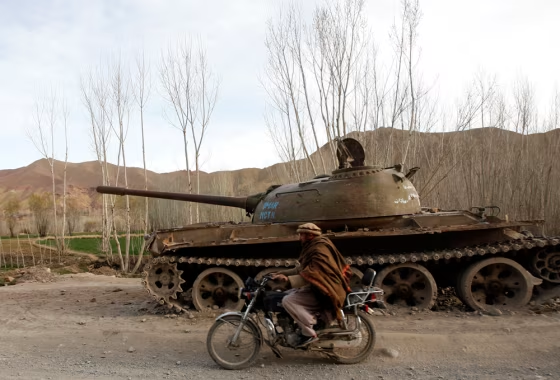
In an updated version of swords being beaten into ploughshares, caterpillar tracks belonging to abandoned Soviet-era tanks are being melted down into steel bars and used in west Afghanistan's construction industry.
The tanks from Moscow's decade-long war in Afghanistan wait under baking sunshine to be smelted at one of its few steel mills, a stark reminder of the humiliating end met by Soviet forces more than 20 years ago.
Soviet-produced tracks make up about 2 percent of steel production at the Wardak Atawla factory in Herat in western Afghanistan, about 62 miles east of the border with Iran.
'Really good iron'
"The Russians came here, ruined our country, and now their tanks sit in a scrap dump," mill manager Azim Khan said as he stroked away sand with his sandal-clad feet from the tracks, which were stamped with Cyrillic letters.
"They are made of really good iron. It's funny to see them sitting here now," Khan said.
The tracks were taken off the tanks scattered around the Herat landscape by locals looking for cash.
They belong to forces from the former Soviet Union, who pulled out of Afghanistan in 1989 after defeat by mujahedeen fighters, handing security over to a shaky government that was quickly beset by heavy fighting and civil war.
Comparisons are being frequently drawn to the current NATO-led war, and fears are surfacing among Afghans and analysts of a repeat.







 FOR SUBSCRIBERSA harrowing ordeal aboard an Israel-bound plane







FOR SUBSCRIBERSThe debate over AI’s future rages on both coasts

FOR SUBSCRIBERSA harrowing ordeal aboard an Israel-bound plane
FOR SUBSCRIBERSThe debate over AI’s future rages on both coasts
When asked if he believed American armored vehicles would end up in his scrapyard, Khan replied with a smirk: "Unfortunately we do not love peace in Afghanistan."
The mill went on stream two months ago, producing rebar from scrap to feed Herat's construction industry, which is enjoying a boom from better security and trade with neighboring Iran.
Beating swords to ploughshares refers to turning weapons of war to peaceful purposes.