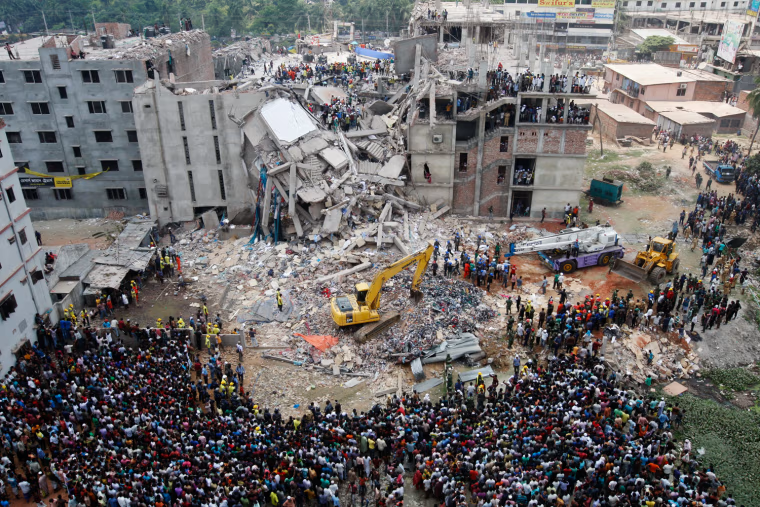
In April 2005, at least 64 workers were killed when the Spectrum Garments building collapsed in Bangladesh.
It was the first time photographer Abir Abdullah had covered a building collapse, and the horrific scenes he witnessed over the next week would stay with him. He was left disturbed and unable to eat for several days “because of the smell and seeing the trapped, disfigured faces and bodies of the workers,” Abdullah told NBC News. The scenes moved him to continue to document Bangladesh’s garment industry.
As he would find out, there would be many more agonizing disasters over the next several years.
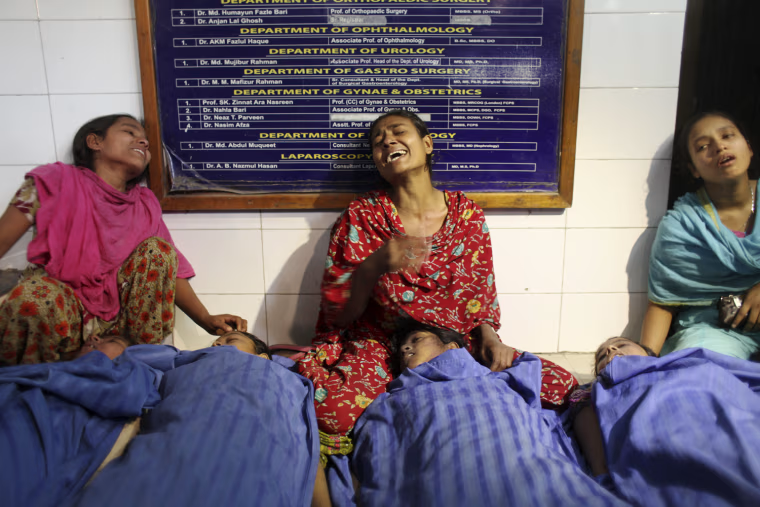
Abdullah’s photographs of Bangladesh’s garment industry become especially poignant as the death toll in the recent collapse of the eight-story Rana Plaza now tops 900, making it the deadliest disaster in the history of the industry. Efforts to keep the cost of production down have contributed to a dangerous work environment, where factory fires and building collapses are commonplace. “Corrupt officials who ignore building codes and greedy businessmen who bypass fire protection” exacerbate the problem, according to Abdullah.
Bangladesh’s garment industry now brings in about $20 billion a year and accounts for 80 percent of the country’s exports. There is tremendous pressure on the Bangladeshi manufacturers to keep labor and production costs low in order to attract global retailers.
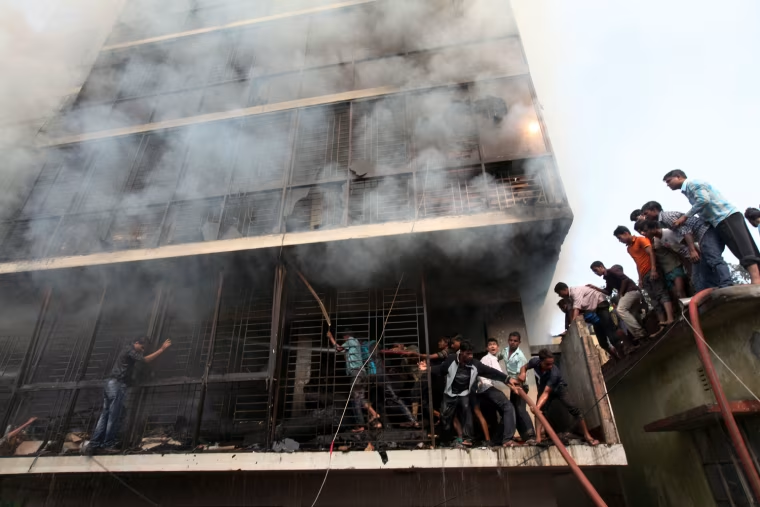
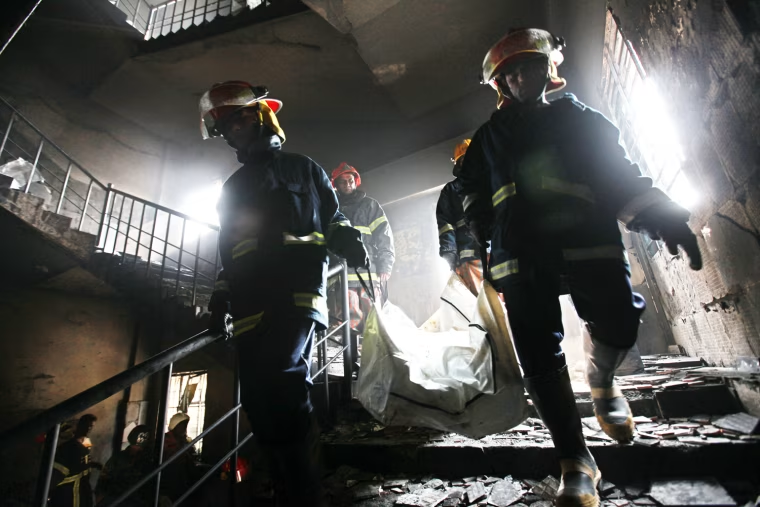
Workers play a pivotal role in the equation, allowing Bangladesh to maintain cheap labor costs. The garment industry employs more than 3 million people. Labor protests demanding safer working conditions and higher salaries sometimes result in a factory temporarily closing, but there are few long-term changes. With few other job opportunities, Bangladeshis return to work at the factories in order to provide a living for their families.







 FOR SUBSCRIBERSA harrowing ordeal aboard an Israel-bound plane







FOR SUBSCRIBERSThe debate over AI’s future rages on both coasts

FOR SUBSCRIBERSA harrowing ordeal aboard an Israel-bound plane
FOR SUBSCRIBERSThe debate over AI’s future rages on both coasts
“Though it is exhausting and traumatic to cover building disasters, I think the exploitation of the garment workers need to be documented,” writes Abdullah. He hopes that by drawing attention to the injustices in the system, western buyers and consumers will understand the true cost of their clothing and be moved to effect change. In February, he received an Alexia Foundation grant to continue photographing the deadly cost of cheap clothing. Abdullah says he believes in the power of photography as a “weapon to express your statements against injustice” and dedicates his work to changing the industry.