The general trend on initial unemployment claims over the last few months has been largely encouraging, despite occasional setbacks, and most analysts expected this morning's report to show a modest uptick in filings.
The good news is, that didn't happen. In fact, initial jobless claims reached a four-year low last week, and the new totals were unchanged this week.
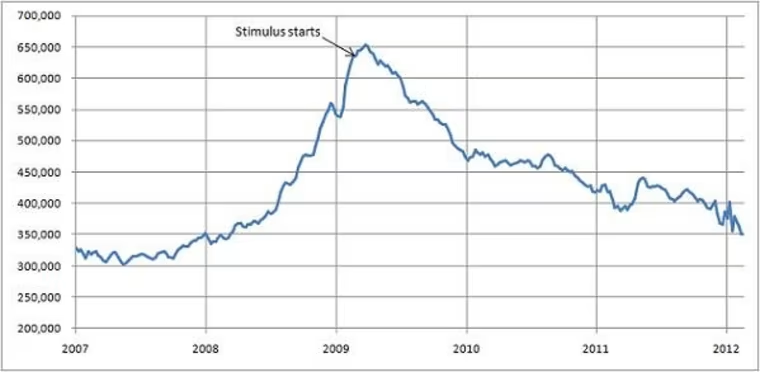
Jobless claims in the U.S. were unchanged last week at a seasonally adjusted 351,000, the Labor Department said Thursday. Economists surveyed by MarketWatch estimated claims would total 353,000. Claims from two weeks ago were revised up to 351,000 from 348,000. The four-week average of claims, meanwhile, fell by 7,000 to 359,000, the lowest level since March 2008. The monthly average smoothes out seasonal quirks and provides a more accurate view of labor-market trends.
In terms of metrics, keep in mind, when these jobless claims fall below the 400,000 threshold, it's considered evidence of an improving jobs landscape. When the number drops below 370,000, it suggests jobs are actually being created rather quickly.
We've now dropped below 370,000 for three consecutive weeks, and four of the last six weeks.
And with that, here's the chart, showing weekly, initial unemployment claims going back to the beginning of 2007. (Remember, unlike the monthly jobs chart, a lower number is good news.) For context, I've added an arrow to show the point at which President Obama's Recovery Act began spending money.