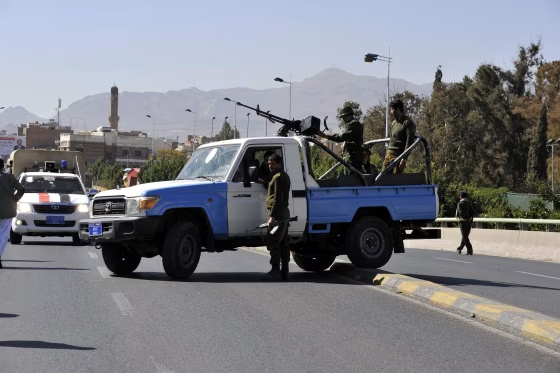
SANAA, Yemen — Seven Yemeni hostages and one foreigner were freed by security forces in a special operation in which seven al Qaeda kidnappers were also killed, the country's supreme security committee said. In a statement published by state news agency Saba, the committee did not disclose the nationality of the foreign hostage nor say where in Yemen the operation took place. It was not immediately clear when or where the kidnappings had occurred. One member of the Yemeni security forces was lightly wounded in the raid.







 FOR SUBSCRIBERSA harrowing ordeal aboard an Israel-bound plane







FOR SUBSCRIBERSThe debate over AI’s future rages on both coasts

FOR SUBSCRIBERSA harrowing ordeal aboard an Israel-bound plane
FOR SUBSCRIBERSThe debate over AI’s future rages on both coasts
Kidnapping is common in U.S.-allied Yemen, where the country is battling with an insurgency from Islamists linked to al Qaeda, a southern separatist movement and sporadic conflicts with armed tribes. Hostage-taking is sometimes carried out by militants specifically targeting Westerners, but is also used as a tactic by tribesmen to resolve disputes with the government, and by opportunists hoping to sell hostages on to other groups.
IN-DEPTH
- Yemen Seizes Motorcycles to Combat Al Qaeda
- Strike Kills Militant Linked to 9/11 Mastermind: Group
- VIDEO: Security Camera Captured Deadly Yemen Blast