Georgia lawmakers voted Tuesday to extend a self-imposed deadline to implement a new voting system for this fall’s midterm elections days before it was set to fall out of compliance with state election code.
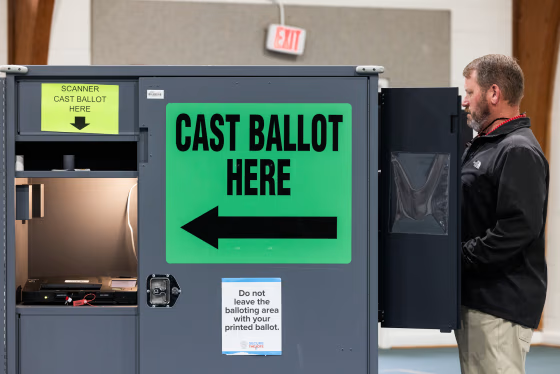
Georgians voting in person typically use a digital ballot-marking device that prints out a marked ballot with a QR code and a written summary of the voter’s choices. The QR codes, which are indecipherable to the human eye, are used to tabulate votes, though the audit process includes a review of spelled-out choices when checking the results.
The state’s Republican-controlled Legislature voted in 2024 to stop using QR codes to count votes by July 1 of this year, fueled in large part by unfounded allegations of voter fraud and a yearslong federal lawsuit about the integrity of the state’s voter system.







 FOR SUBSCRIBERSA harrowing ordeal aboard an Israel-bound plane







FOR SUBSCRIBERSThe debate over AI’s future rages on both coasts

But actually implementing the change proved difficult. State officials said in 2024 that changes to the current system could cost tens of millions of dollars, while a total replacement could run as much as $300 million.
The legislation, which passed through the state Senate 36-16 and now heads to Republican Gov. Brian Kemp to sign into law, delays the deadline for making the change to the 2028 election cycle and creates a committee to study and recommend the necessary changes by the end of January.
FOR SUBSCRIBERSA harrowing ordeal aboard an Israel-bound plane
FOR SUBSCRIBERSThe debate over AI’s future rages on both coasts
Lawmakers failed to delay the deadline during the regular legislative session this spring, forcing Kemp to put the issue on the agenda for a special session this month.
Kemp also asked lawmakers to draw new congressional and legislative maps that could be put in place for the 2028 elections after a major U.S. Supreme Court decision on redistricting. But legislators declined, saying there wasn’t enough time to take up the issue in the special session.