The National Oceanic and Atmospheric Administration says the stranding of 30 whales off the Alaska coast since May is almost three times the historical average for the region and requires an immediate investigation.
The federal agency on Thursday declared the whale deaths an "unusual mortality event." That official designation frees up more federal resources and paves the way for federal, state and tribal agencies to work on a response plan and coordinate an investigation.
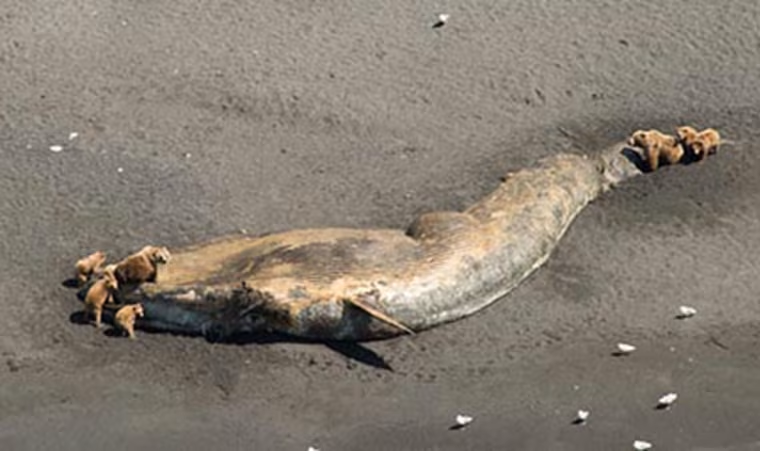
Since May, 11 fin whales, 14 humpback whales, one gray whale and four unidentified cetaceans have been found dead around the islands of the western Gulf of Alaska and the southern shoreline of the Alaska Peninsula.
Related: U.S. Proposes Taking Humpback Whales Off Endangered Species List
"While we do not yet know the cause of these strandings, our investigations will give us important information on the health of whales and the ecosystems where they live,” Teri Rowles, NOAA Fisheries' marine mammal health and stranding response coordinator, said in a statement. “Members of the public can greatly assist the investigation by immediately reporting any sightings of dead whales or distressed live animals they discover."








 FOR SUBSCRIBERSA harrowing ordeal aboard an Israel-bound plane







FOR SUBSCRIBERSThe debate over AI’s future rages on both coasts

FOR SUBSCRIBERSA harrowing ordeal aboard an Israel-bound plane
FOR SUBSCRIBERSThe debate over AI’s future rages on both coasts
Some marine biologists have suggested a record-setting bloom of toxic algae in the North Pacific could be to blame, but NOAA says a definitive connection has not yet been established.
NOAA said in these types of investigations, it can take months or even years to collect and analyze all the data.